
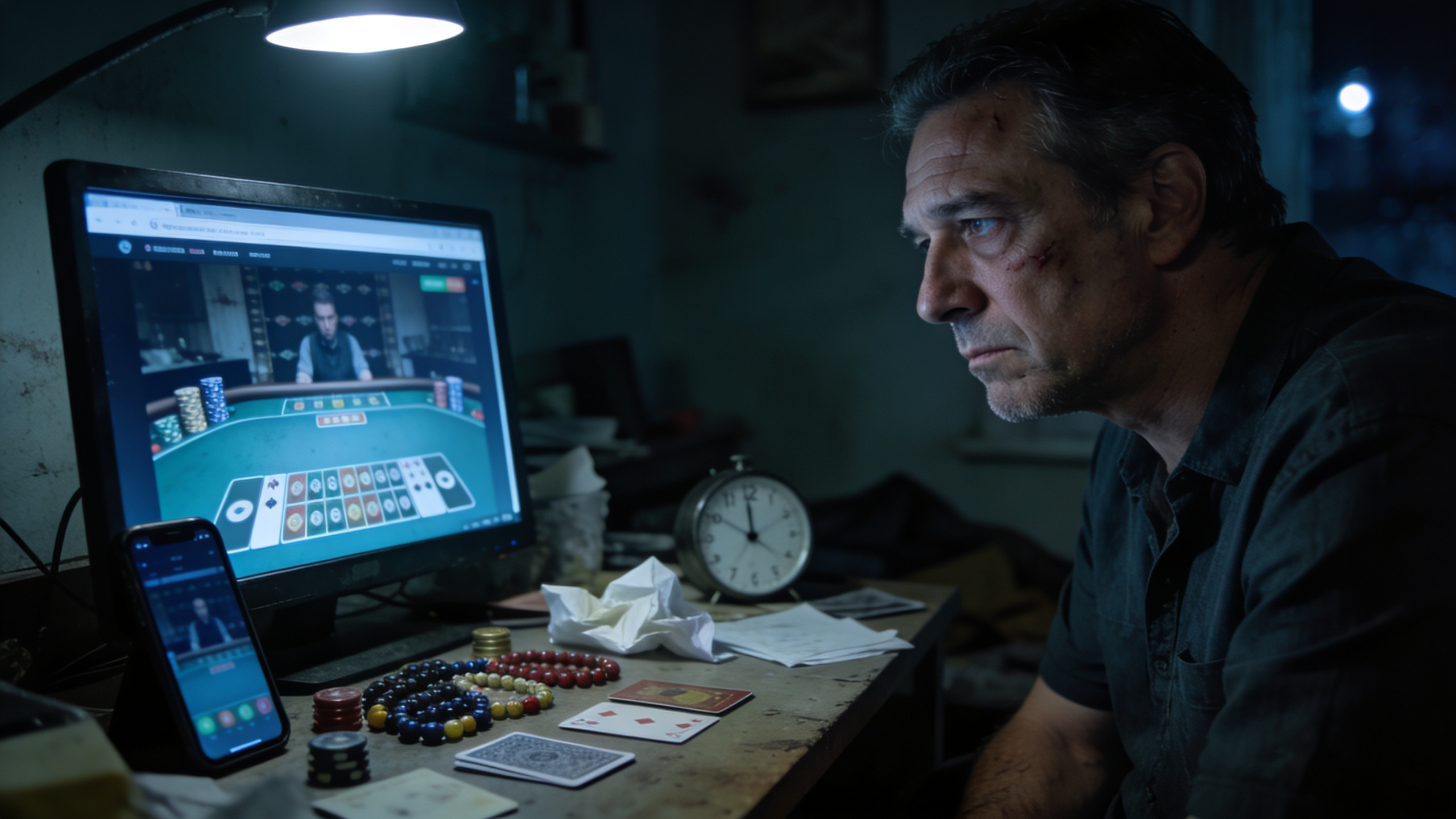
Gambling addiction does not break in violently. It slips in quietly. No needles. No bottles. No visible scars. It arrives with bright colors, friendly messages, and small promises: “just try”, “only today”, “this one will change everything”.
For years, it was treated as a minor issue. A bad habit. Something that could be fixed with discipline. A comfortable lie. If it were that simple, people would not be losing families, jobs, dignity—and sometimes their lives.
Gambling addiction is a real addiction. Clinically recognized. Neurologically documented. It works on the brain in ways strikingly similar to drugs. The difference is that it uses hope instead of chemicals.
The gambler is not chasing money. They are chasing possibility. The almost-win. That brief moment when everything seems about to turn around. That moment rewires the brain. That is where the trap is.
Modern gambling no longer needs casinos. It lives in your phone. Twenty-four hours a day. Personalized offers. Free bets. Messages timed to arrive when someone is tired, lonely, or vulnerable.
And it is normalized. Promoted. Wrapped in “responsible gambling” slogans that protect companies far more than people. The system profits regardless of who loses.
Outsiders often ask: “Why don’t they just stop?”
The real question is: “What is the gambling covering up?”
Because gambling is rarely the root problem. It is anesthesia. A pause button for reality. But anesthetics demand higher doses over time.
Gambling addiction does not only destroy the player. It consumes families, finances, trust, and emotional stability. Often, relatives see the collapse long before the gambler does.
And here is the uncomfortable truth: stopping gambling is not enough.
Abstinence alone does not equal recovery. Without deep change—habits, thinking patterns, emotional regulation—relapse remains close.
This addiction is not defeated by guilt or promises. It requires clarity, support, and sustained inner work.
Naming it correctly is the beginning.
Not bad luck.
Not weakness.
Not harmless fun gone wrong.
It is addiction. And only truth makes recovery possible.









Leave a Reply